PRODUCT DESCRIPTION
The liver is an essential organ of the body having a critical role for health. It helps break down food, clean blood, produce proteins and store energy. In case of liver problems, a number of symptoms may appear including dark urine or light-coloured stool, no desire to eat, yellowish eyes or skin (jaundice), swelling in your belly, weakness or feeling very tired. There might be many reasons for a problem occurrence in liver such as hepatitis, side effects of certain medications, cirrhosis due to heavy drinking, overweight especially in case of diabetes or high blood pressure.
Many tests could be performed on the liver but the most commonly used tests are transaminases (ALT and AST) enzymes assessment. These enzymes are released in the blood by the liver in response to damage or disease.
LIVER-SCREEN is a rapid immunodiagnostic test for the immunological detection of increased transaminase (both ALT and AST) levels from a finger prick whole blood sample. The test consists on a plastic housing containing one stick having two distinct zones for transaminases detection (red colour when positive) and one control zone (blue colour).
WHEN SHOULD THE TEST BE PERFORMED?
In case of liver problems, a number of symptoms may appear including dark urine, light coloured stool, no desire to eat, yellowish eyes or skin, swelling in your belly, weakness or feeling very tired.
It is recommended to perform LIVER-SCREEN . LIVER-SCREEN could be performed any time of the day.
WHAT DO I HAVE TO DO IF THE RESULT IS POSITIVE?
If the result is positive, it means that the ALT and/or AST transaminase level in blood is higher than the norm (80 IU/L) and that you should consult a doctor to show the test result. Then, the doctor will decide whether additional analysis should be performed. Although ALT and AST level concentration is valuable in the diagnosis of liver disease, it should be used in combination with other hepatic enzymes (alkaline phosphatase, lactate dehydrogenase and gamma-glutamyl transferase) activity levels and other blood analytes such as urea, creatinine or bilirubin to evaluate the liver function. The increase in transaminases activities could be due to many others reasons (e.g. intensive exercise and being overweight). Only a doctor could make a diagnosis after considering clinical investigation and additional test results.
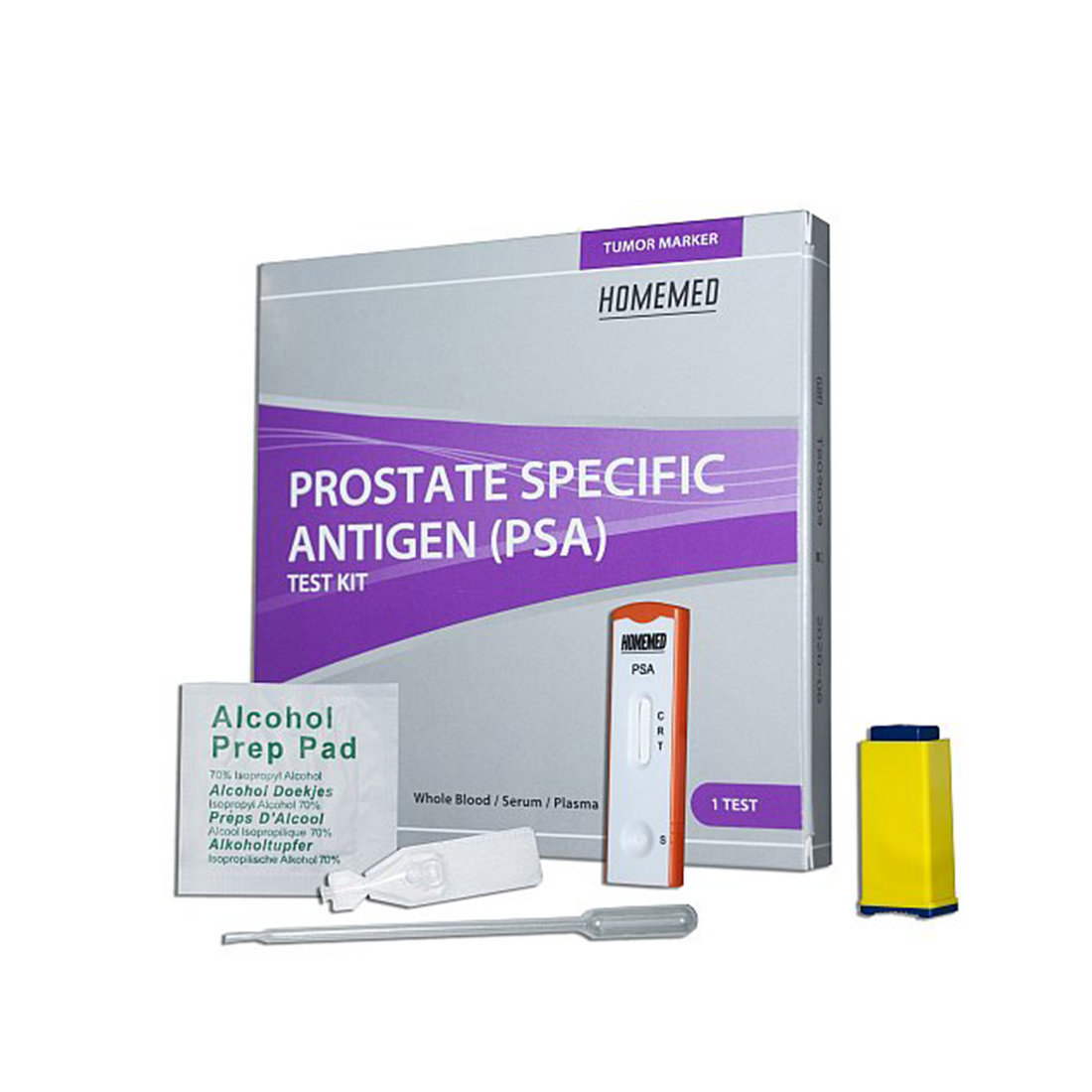
What's in the box
1 x Test Device
1 x Plastic Pipette
1 x Desiccant Bag
1 x Sterile Lancet
1 x Dropper Bottle
1 x Leaflet
1 x Alcohol Pad